
PRESS RELEASE: Metropolitan Mosquito Control District to host a “wall-breaking” event to kick-off construction on remodeled public health lab
October 26, 2026

Metropolitan Mosquito Control District Season Highlights from 2026
As we wind down the 2026 mosquito season, we like to look back and review everything we accomplished this year. With a week until Thanksgiving we want to express gratitude to our full-time and seasonal staff who worked hard this season to reduce mosquito annoyance and protect public health.
2025 brought an unusually busy year to the Metropolitan Mosquito Control District with lots of rain, record numbers of West Nile virus cases, and higher instances of invasive mosquito species. By comparison, 2026 was refreshingly quiet. Lack of rain throughout the year kept mosquito numbers below average and West Nile virus cases low.
We have prepared some highlights to show the many areas of work that MMCD staff completed in 2026. Each city administrator or township clerk also will be mailed an individual report with activity from their community. Please contact us if you'd like more information about any MMCD activity!
Overall mosquito numbers were below average for the entirety of the 2026 season
After three consecutive drought years from 2021-2023, mosquito numbers began to rebound after a rainy 2024 and an average 2025. However, 2026 was back to being dry and the impact the lack of moisture had on mosquitoes was noticeable.
Lack of snowmelt to start off the year meant that Spring Aedes did not appear in significant numbers in 2026. This was the second straight year with a quiet start to the season after 2023 and 2024 set records. The graph below depicts Spring Aedes numbers each year from 2021-2026:

Coquillettidia perturbans or "cattail mosquitoes" had another active year in 2026, thought they did not quite return to the abundant numbers they achieved in 2019 and 2020. This species, that overwinters as larvae in the water and emerges once per year around the 4th of July, came back in similar numbers to 2025. The abundance of cattail mosquitoes is determined by the previous year's rain and so 2027 is likely to be a below average year again after a dry summer in 2-26. Our 2027 cattail projection model will be available in January.
The graph below shows the number of cattail mosquitoes collected from 2019-2026:

Our most common summer species is the Aedes vexans, which are heavily impacted by the rain. This species was our most abundant again in 2026, but due to dry conditions their numbers were well below normal, influencing the overall mosquito averages for the season. In fact, every week in 2026 had below average numbers of human-biting mosquitoes collected in MMCD traps:

Every week of mosquito counts in 2026 was below the 10-year average.
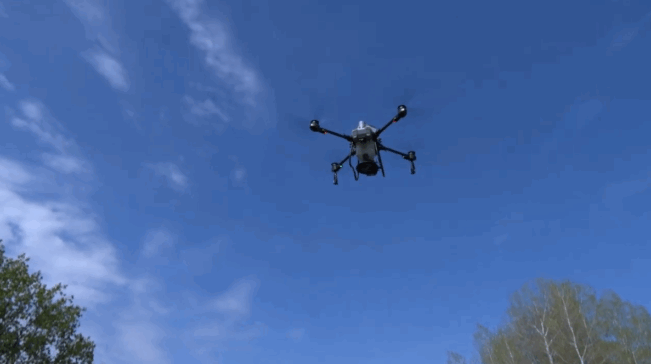
Much of the credit for low mosquito numbers can go to MMCD staff for working hard to reduce overall numbers of biting mosquitoes with a special focus on disease vectors and cattail mosquitoes. Lack of rain meant fewer broods of floodwater species, which allowed for more time to focus on some of the more unique species that aren't as directly dependent on rain. 2026 was also a banner year for the MMCD drone program with the most acres ever treated. Treatment drones make it easier to access sites that were previously treated by hand and allow staff to get to more areas in a shorter amount of time.
Below are some of the key numbers depicting mosquito control activity in 2025:
acres of larval treatments
acres of drone treatments
catch basin treatments
Quiet Year for West Nile Virus Activity
After a record year of West Nile virus activity in 2025, 2026 was a refreshingly different story. As of November 1st there have been only 18 human cases of West Nile virus in Minnesota reported by the CDC. Only one case of West Nile virus has been reported in the seven county metro (MMCD service area) in 2026. The lack of rain and overall lower numbers of mosquitoes was one factor, but credit also goes out to MMCD staff who did important vector reduction work like recycling tires and removing waste habitats, treating catch basins, and collecting and counting vector species.
In 2027, MMCD will be getting a new and improved public health lab, which will expand our capacity for disease testing and allow us to be even more responsive to potential disease risks.
MMCD News Stories from 2026:
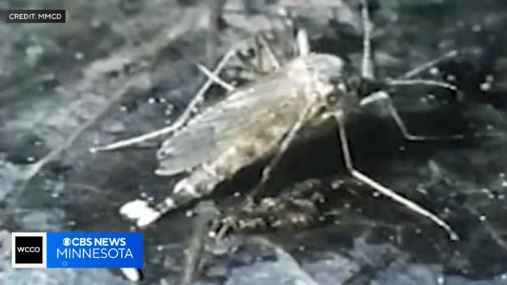
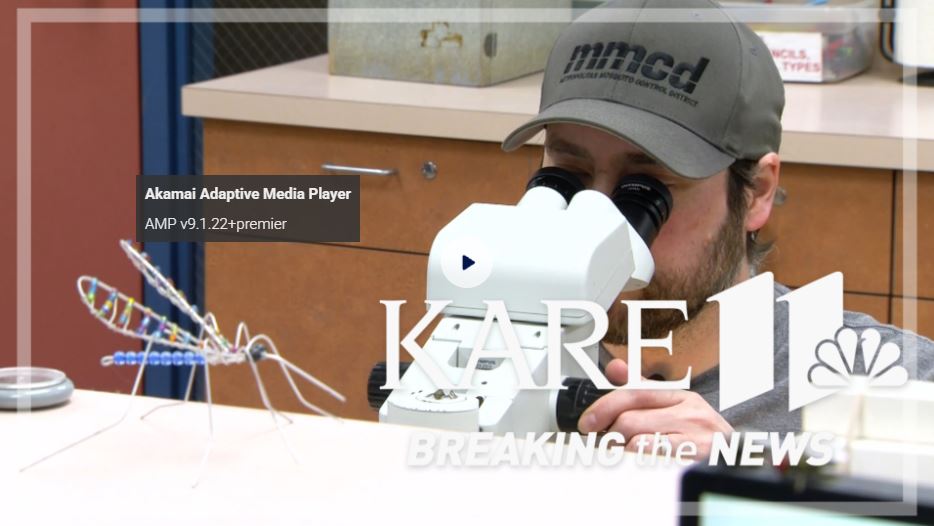
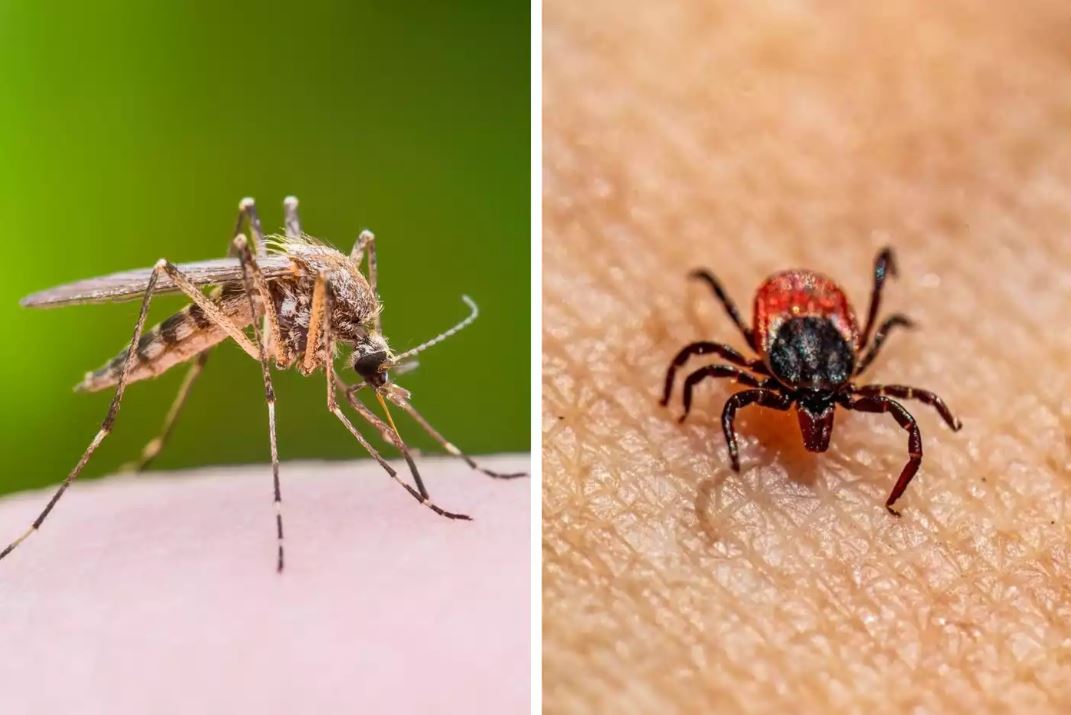
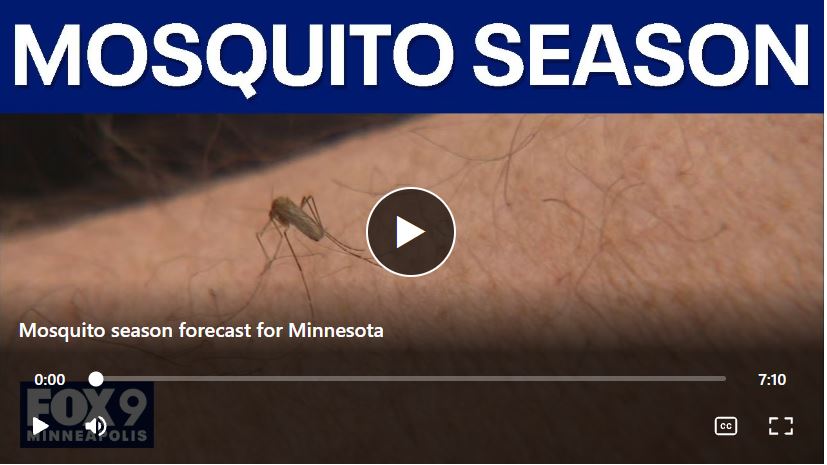
MMCD was featured in local news stories throughout the year to report information on overall mosquito numbers, control efforts that are underway, and educational information about ticks and mosquitoes. Below is just a sample of some of the news appearances from the past year:
Black Flies Were Not as Prevalent, Ticks Prevalent in North and East
The number of biting black flies collected in sweep nets in 2026 (0.31/sweep) was close to 2025 (0.45/sweep) and lower than 2024 (1.13/sweep) and 2023 (0.9/sweep), due in part to lower river levels in the spring and MMCD's ability to treat at locations like the Minnesota River which had flooded in previous years.
Blacklegged ticks or “deer ticks” are collected by MMCD staff by trapping small mammal hosts, dragging cloths across the forest floor, and removing ticks found on themselves after being outdoors. In 2026, the highest number of blacklegged ticks were found in northern Anoka County and throughout Washington County. American dog ticks or “wood ticks” were most abundant in Dakota County.
Public Events and Education Outreach Were Big in 2026
Part of Integrated Pest Management involves educating the public about the biology of mosquitoes and ticks, vector-borne diseases, and personal protection. Throughout the year MMCD staff attend public events like county fairs, city festivals, and parades. We also deliver in-person presentations to school children and community members of all ages. This year we were active throughout the Twin Cities:
Public Events and Parades
School and Community Presentations
Students Reached at School Presentaions
Some of our big events this year included Grand Old Day in St. Paul, the Monarch Festival in Minneapolis, the Minnesota State Fair, various Safety Camps, the Great Minnsect Show at the U of M, Game Fair in Ramsey, and various County Fairs.
We also delivered presentations at over 30 different schools and to various city councils and community groups. Presentations are free and cover lots of great information about the biting insects that live among us. If you are interested in having MMCD attend and event or deliver a presentation to your group, please contact Alex Carlson.
Below is a photo from our Grand Old Day booth in 2026:

MMCD Video Highlights from 2026:
This year we were able to produce several new videos for residents thanks to help from our seasonal Public Affairs Assistant, Kylie Rich-Vetsch. On social media, Kylie turned the Weekly Updates and newsletter (aka the Weekly Buzz) into a weekly video series. We also produced several full-length videos for our website and social media including some great recruitment videos with testimonies from our staff.
Check out some of the videos we produced this year:


MMCD Was Social in 2026
In order to keep the public up to date on the lates activity, we were busy all season long on our Facebook, Instagram, LinkedIn, and BlueSky pages and we had great interactions with the thousands of people who follow us online. Be sure to keep up with our social media channels for the latest updates on mosquito numbers, disease cases, breaking news, trivia, fun facts, and a lot more!
MMCD Instagram Highlights from 2026:
Some of our best photos and videos appeared on Instagram this year including facility takeovers, humorous videos, and the Weekly Buzz. Here are some of the highlights from 2026:

Looking Forward to 2027
Next year is going to bring some big changes to MMCD and many have already started. As part of our strategic plan to expand our services to more regions within the Twin Cities metro, we will getting new tools, facilities, and equipment to help us reach more people. Here are some of the big changes coming in 2027:
- New Public Health Lab: We held a Wall Breaking Ceremony in October and construction is well underway on a major remodel to our St. Paul Entomology lab. This new public health lab will include expanded ability to test for vector-borne disease, an insectary to raise mosquitoes and test control materials, and room for more seasonal staff.
- New Website and Newsletter: To improve our outreach to residents, we will be converting our website to a Civic Plus platform that has more tools for accessibility and multiple language support. There will also be a new e-mail notification tool launching next year. Both will launch around March of 2027.
- Follow Us on Social Media: For the latest updates check ut out on Facebook, Bluesky, and Instagram where we regularly post pictures, news updates, and fun facts. Give us a follow!
We hope everyone has a great remainder of 2026!


